

OpenSAFELY’s Digital Critical Friends
The Digital Critical Friends (DCF) group provides a public voice on the operation and development of the OpenSAFELY service. Made up of ten people from a diverse range of backgrounds and experiences, the group has completed training on the technical, ethical and governance issues raised by sharing personal health data within the OpenSAFELY platform to navigate the complexities of health research infrastructure and the OpenSAFELY platform. This foundation builds the confidence necessary for members to share “friendly” yet critical perspectives. This ensures that digital health research remains grounded in the public interest.
The DCF groups meet monthly. Topics vary, covering a broad strategic spectrum—from the platform’s future beyond COVID-19 and its application in non-health domains to the practicalities of organising public engagement activities.
More specifically, the DCF group has:
- Refined research access: Reviewed the NHSE Data Access Request (DAR) service to ensure the application process is efficient and fit for the OpenSAFELY model.
- Guided technical safeguards: Input into the consensus statement for the SACRO project (semi-automated output checking) to maintain rigorous accountability in the safeguarding of data outputs.
- Led co-production: engaged in co-design of the group’s own Terms of Reference – and organisational structure maps, while co-creating the OpenSAFELY website and wider participation events.
Additionally, the DCF model ensures that public voices are embedded directly into leadership through representative membership on the OpenSAFELY Oversight Group and the NHSE OpenSAFELY Steering Committee. Within these forums, the DCFs provide vital accountability. For example, the group successfully advocated for a stronger presence by securing two representative seats on the NHSE Steering Committee. The group is independently chaired by Andy Gibson, Associate Professor of Patient and Public Involvement and Engagement (UWE), and coordinated by John Kellas, a community technology and data consultant (and critical health informatics literacy specialist).
Meet the group members
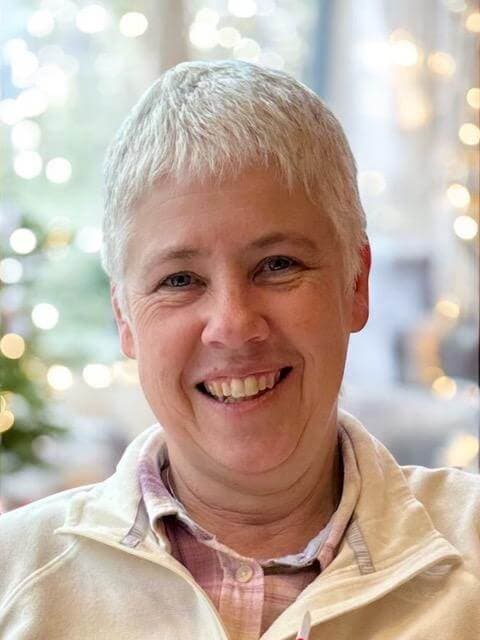
Amanda Threlfall
The most rewarding aspect of my role is knowing that I’m making a difference, while acknowledging I cannot represent everyone. But I do my best to highlight issues based on my experience and try to make improvements.
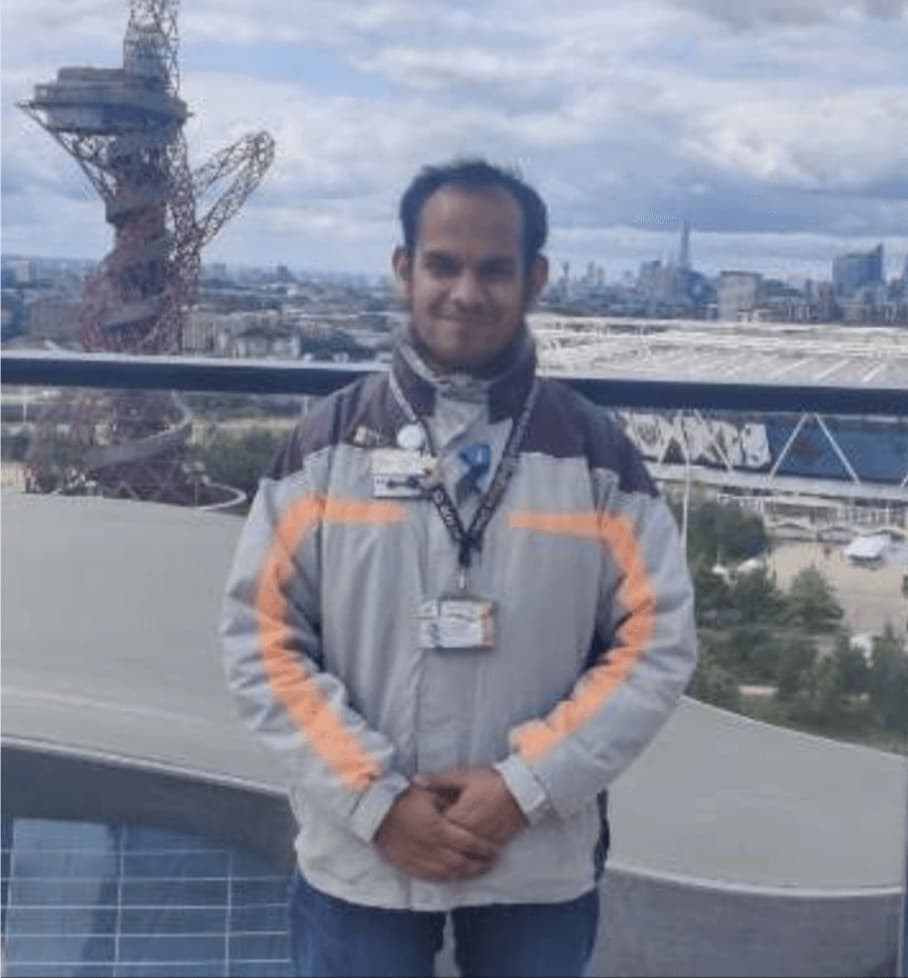
Arif Shah
I am an Autistic person and have lived experience as a patient and carer of a variety of different illnesses and conditions, such as diabetes, asthma, frailty, dementia, neurodivergence and anxiety. I have been involved in health and care research for numerous years and thoroughly enjoy it.
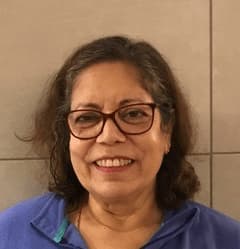
Mina Tanna
After I retired from a career in banking, I did some voluntary work but felt there was something missing. A friend introduced me to being a public participant in research projects with the university. This gave me a chance to pursue my passion for medical research. Prior to banking, I had worked as a Research Biochemist at Bristol University.
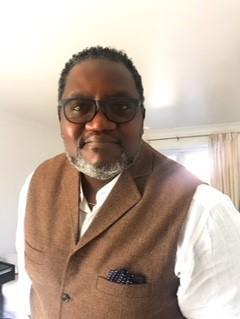
Onche Godwin Daudu
I am a Dad of one, and originate from Nigeria. After working in the Hospitality and Retail industry for well over 26 years, rising to senior management level, COVID-19 redirected my life’s priorities. I decided to give back to a country and community that have been instrumental in my professional success.
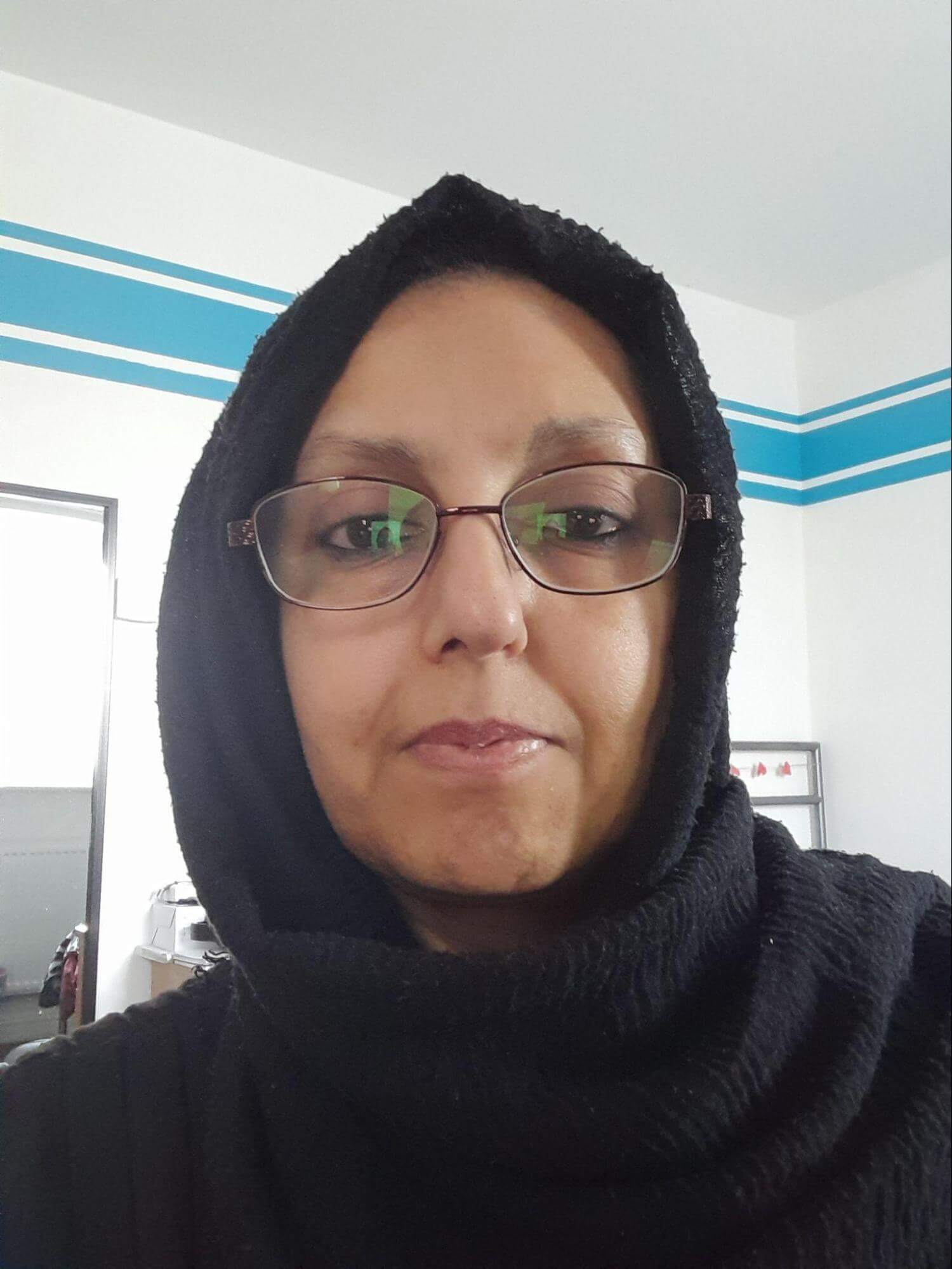
Samina Begum
I became a PPI collaborator because both as a carer and as a user of health services, I saw good and bad healthcare. This is also the reason why I am passionate to ensure the seldom heard voices are heard.